👋 Welcome
Welcome to the AI voor Iedereen learning platform (AIVI). This online course is used by several AI courses at KU Leuven, but it is also open to anyone who wants to learn more about the broad field of AI.
In this course you will find out how AI techniques work under the hood: from the search algorithms your GPS uses to find the quickest route, to the neural networks that read handwriting and the language models behind ChatGPT. Every concept comes with interactive demos, so you can experiment with the techniques yourself.
An AI looking for the quickest path through any maze. Click the squares to add walls and watch the AI work out a new route straight away with a search algorithm.
📖 What does the course cover?
The course is built up out of several parts. It opens and closes with overviews of the field of AI as a whole, and in between come chapters that each focus on one AI technique: first the four historical waves of AI (symbolic AI, statistical models, machine learning and deep learning) and then two application domains, namely language models and image models.
Every part contains chapters that explain interactively how a technique works and what its strengths and weaknesses are, always intuitively first and only afterwards with the underlying mathematics in more depth.
🧑🏫 Introduction
- The history of AI: How AI developed from the 1950s to today
- Dimensions of AI: An overview of the broad AI landscape
💭 Reasoning
- Search algorithms: How does a computer find the best route?
- Heuristic search: Searching cleverly with rules of thumb
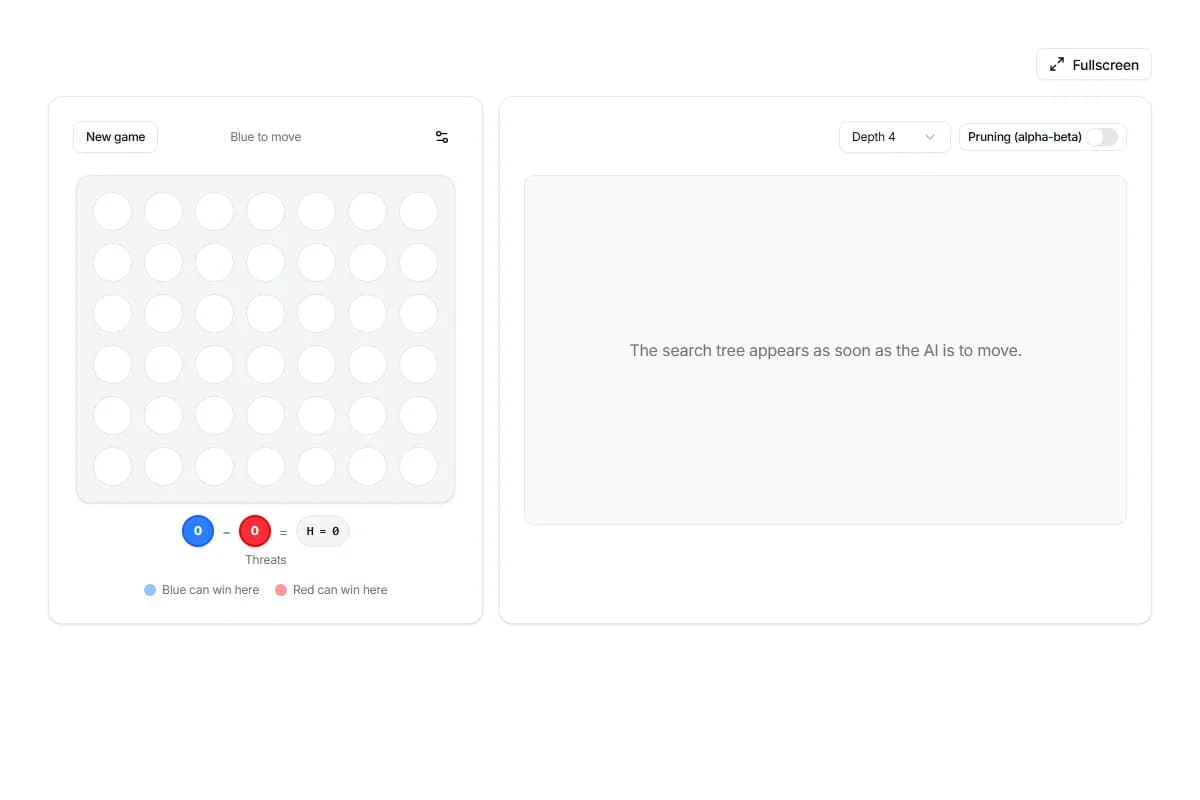
- Game trees: Working out the winning move in board games
- Logic: Reasoning with logical rules
📊 Statistical Models
- Probability theory: The basics of uncertainty and chance
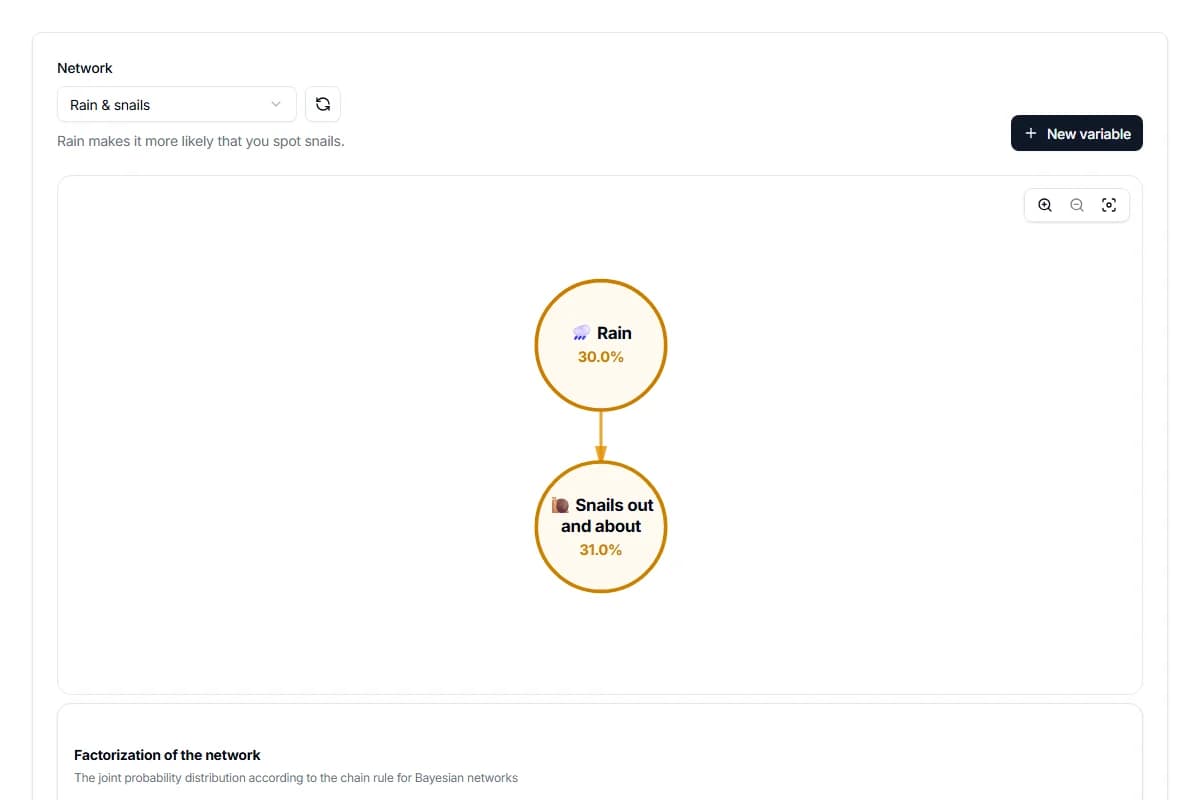
- Bayesian networks: Networks of causes and effects
🏋️ Machine Learning
- Naive Bayes: Classifying with probabilities
- Nearest neighbors: Predicting from similar examples
- Support Vector Machines: Separating classes with the widest possible margin
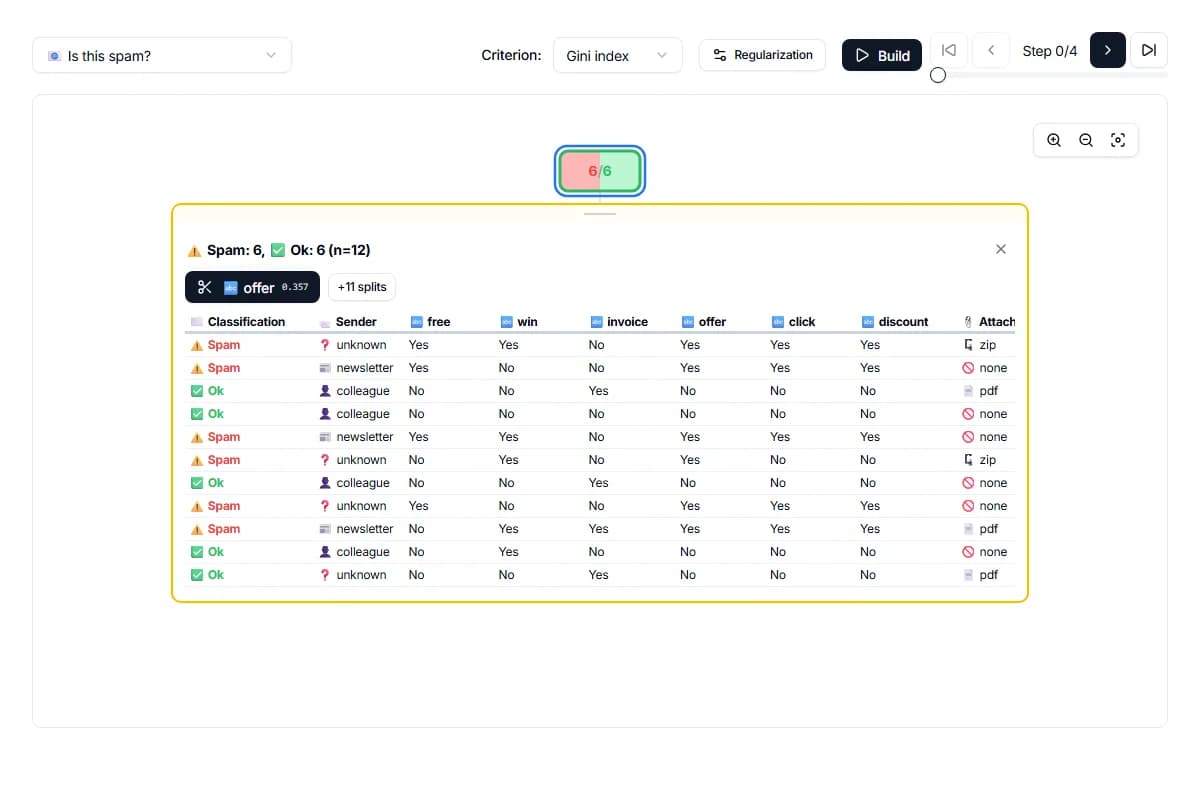
- Decision trees: Learning to decide with yes/no questions
- Regression: Modeling trends and relationships to predict numbers
- Clustering: Discovering groups in data
🔌 Deep Learning
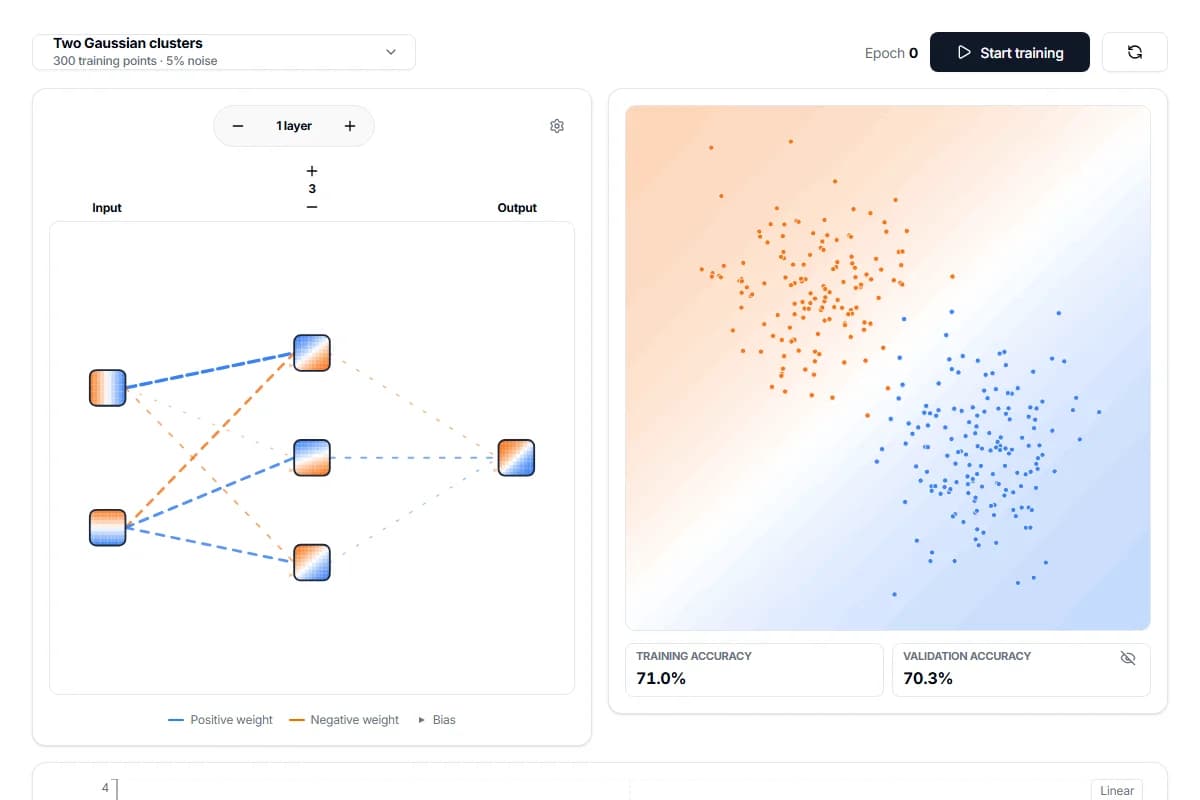
- Neural Networks: How computers learn from data with neurons
🗣️ Language Models
- Autocomplete: From simple word predictors...
- Large Language Models: ...to ChatGPT and agentic AI
🖼️ Image Models
- Convolutional neural networks: How computers recognize images
- Diffusion models: How AI generates images
🏁 Wrap-up
- Model evaluation: How do you know whether a model really works?
- AI Challenges: What are the technical difficulties across the whole AI process?
- The Societal Impact of AI: How AI shapes society
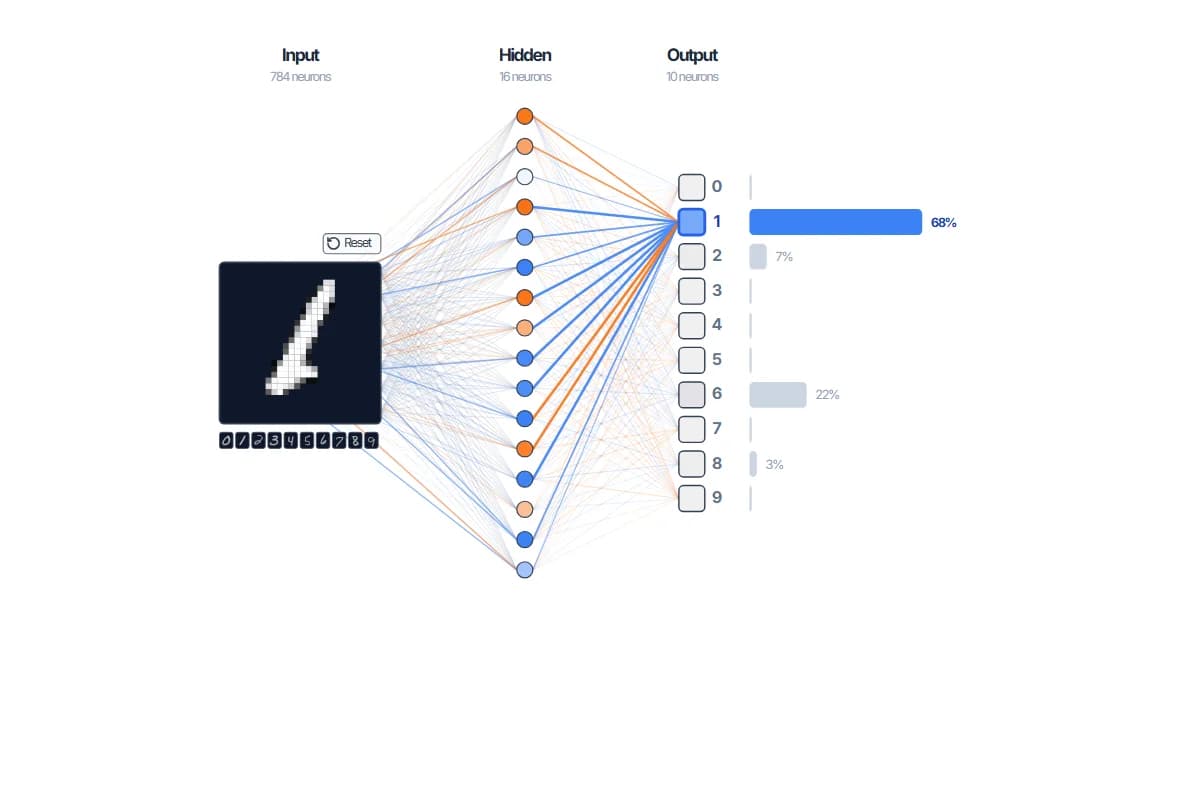
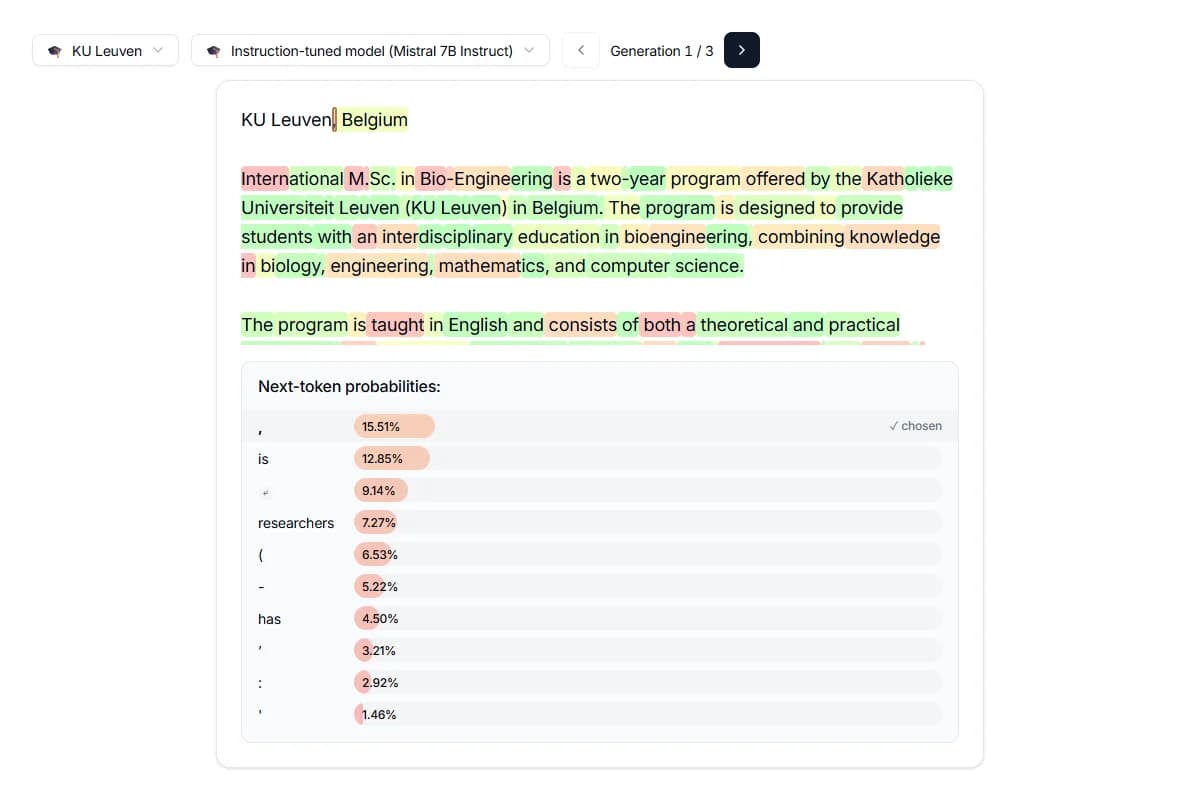
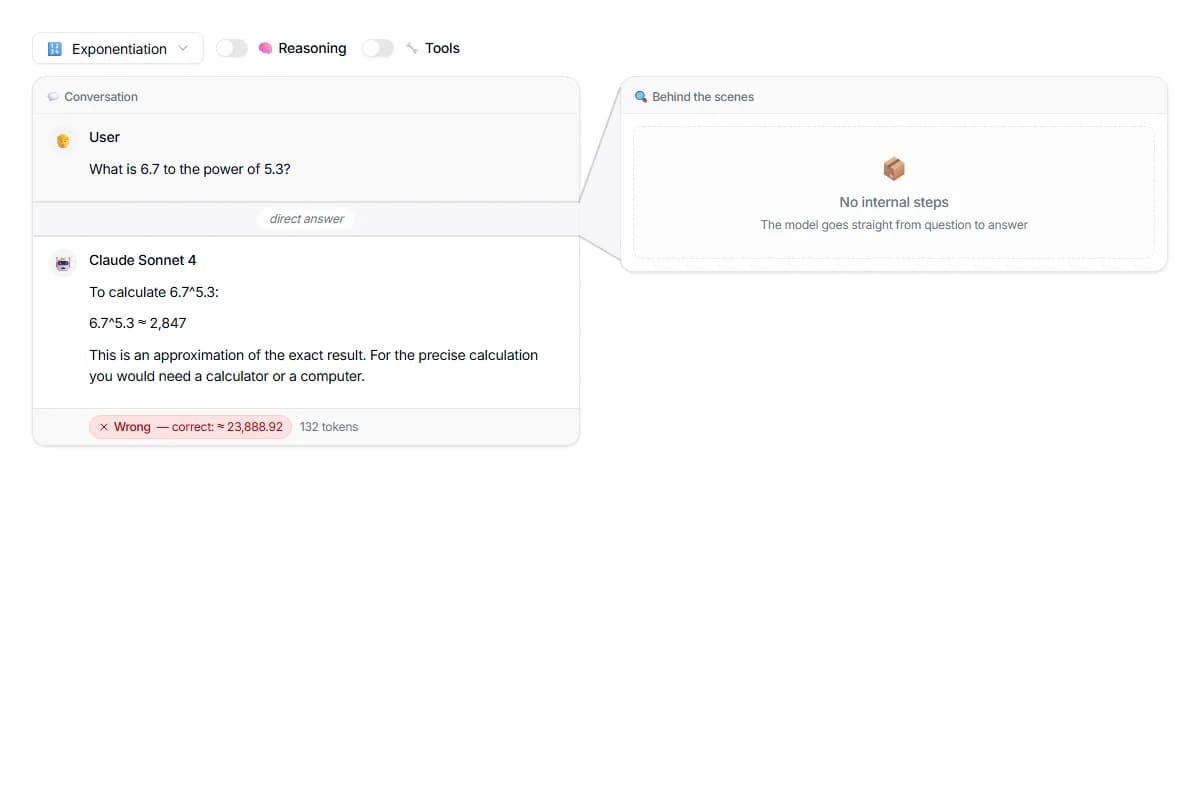
🕹️ Try a few demos
A taste of the 50+ interactive demos that let you try the algorithms out yourself. Curious about the rest? Take a look at all the demos on the demo overview page.

⚙️ Tailor the course to you
Choose below how you would like to follow the course. Every chapter explains everything intuitively first, and on top of that has three layers that you can switch on or off:
- 💡 Basic math refreshers: short reminders of the math from secondary school (the summation sign, what a function is, and so on).
- 📐 Mathematical depth: the deeper math behind a technique, which you do not need in order to understand the basics but which does give extra insight.
- 💻 Programming: Python code in Jupyter notebooks.
If you are a student, choose "I'm taking a course" below and then the specific course you are enrolled in. The platform then shows only the chapters and sections you need to know for that course.
If you are exploring the platform on your own, you decide what you see. The three-position switch sets how much math you get: only the refreshers, both, or only the deeper math. Next to it, a single button turns programming on or off. Whatever you switch off does not disappear: those sections are simply collapsed, and you can always click them open again.
📚 How do you want to follow the course?
🌊 Choose what you want to see
Every chapter can largely be read on its own, although it does help to read the earlier chapters of the same part as well. Mostly interested in large language models? Then jump straight to that chapter. Would you rather work through everything systematically? Then follow the recommended order on the left.